Seww
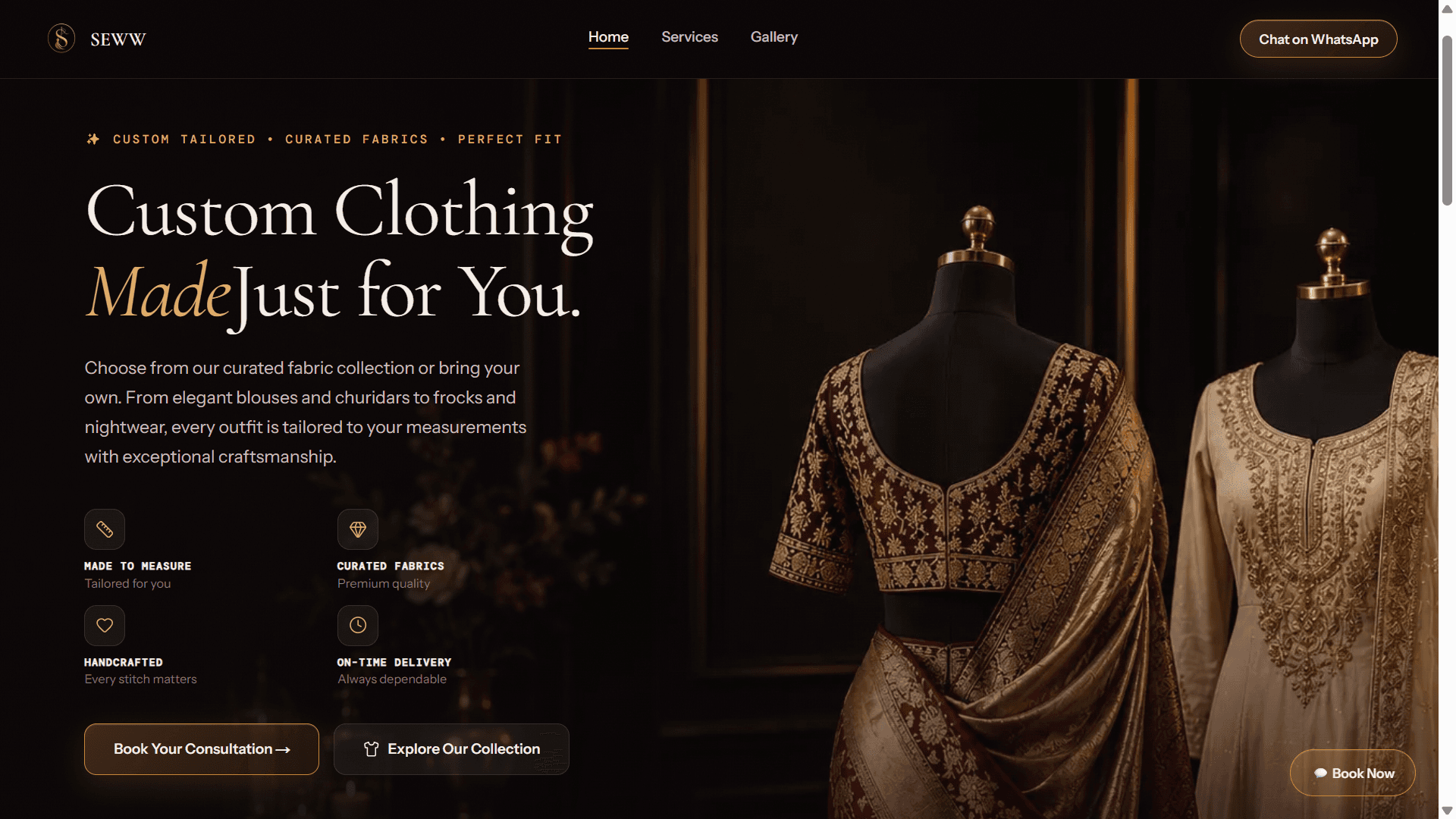
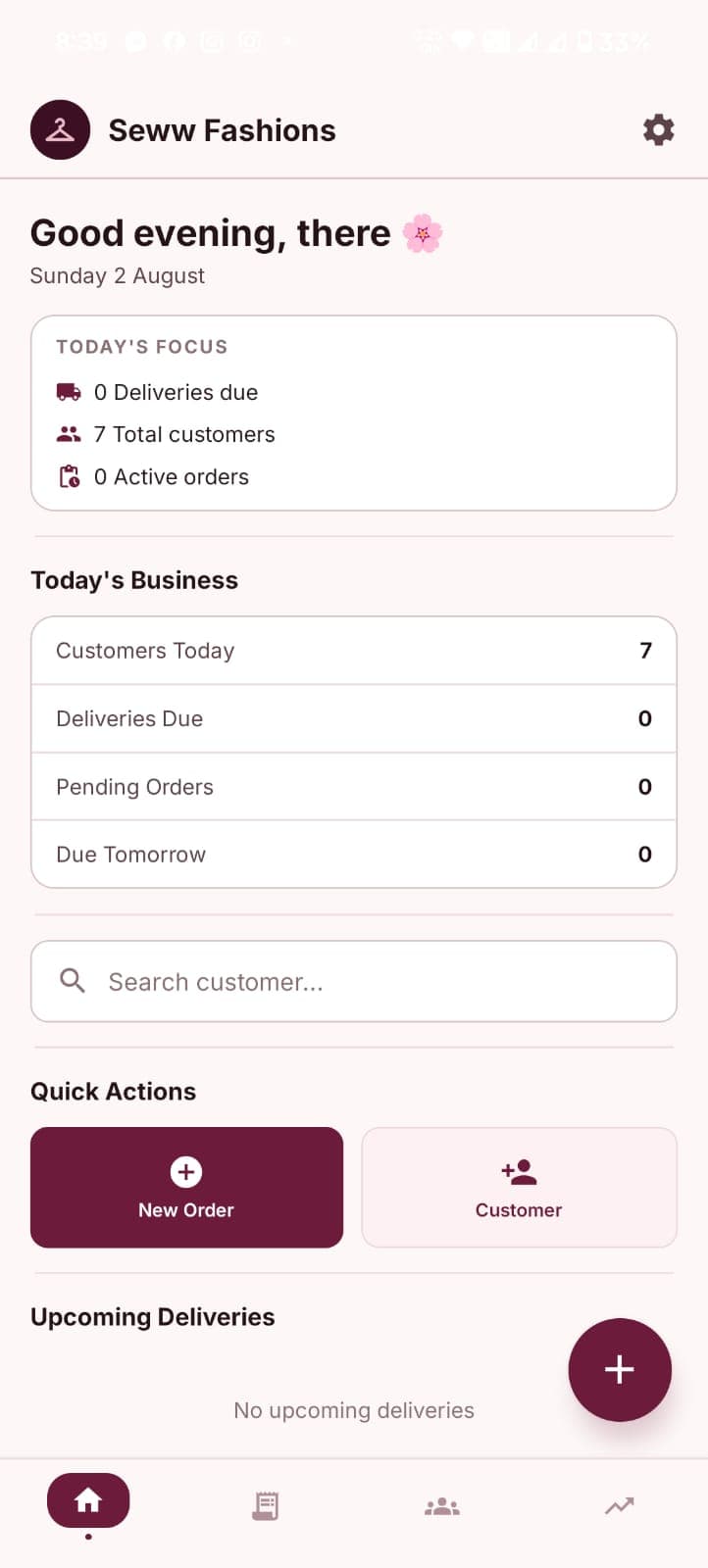
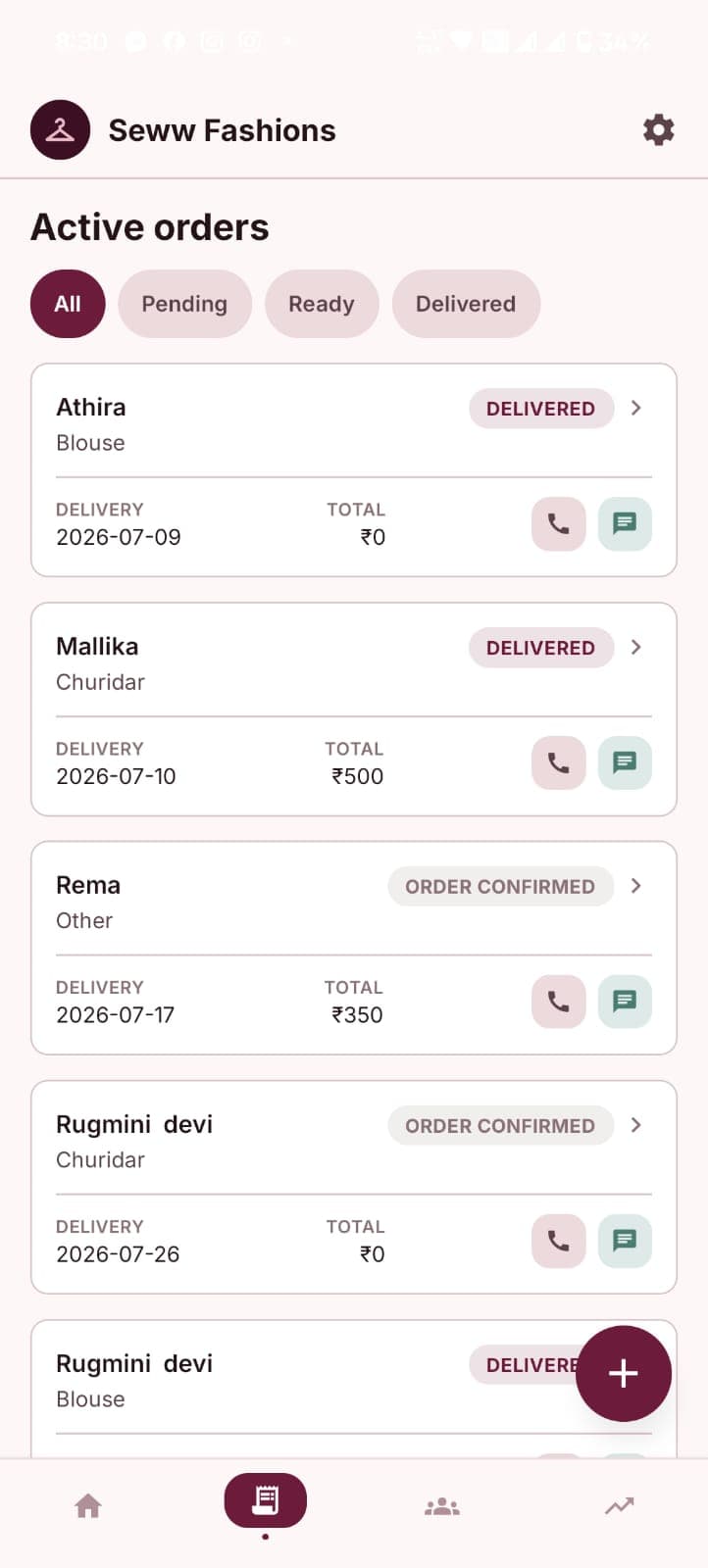
A production app and website built to make a real-world service easier to discover, understand, and use across digital touchpoints.
- Role
- Product Design & Engineering — Collaboration
- Period
- 2025 — Present
- Status
- Shipped
Overview
Seww started from observing a real-world problem through my mother's work and exploring how a simple digital product could make the experience easier to manage and access. I worked on bringing the service into a connected app and website experience, focusing on clearer information, simpler interactions, and a consistent product language across both.
The problem
The existing service relied heavily on offline interactions and manual communication. The opportunity was to create a clearer digital layer without losing the simplicity and personal nature of the service.
Design process
I started by understanding the existing workflow and where people experienced friction. From there, I shaped the information hierarchy, key user flows, and interface before translating the experience into the production app and website.
Architecture
The app and website were treated as connected parts of the same product experience, with reusable interface patterns and a consistent visual language across platforms.
Engineering decisions
Trade-offs
No significant trade-offs called out for this project.
Challenges
Outcome
A production app and website that give the service a clearer digital presence and make it easier for customers to understand and interact with the offering.
Technology
Images
Motion
Motion wasn't a deliberate focus for this project.
Lessons learned
- Real products require balancing user needs with practical business constraints.
- A consistent experience across multiple touchpoints makes a service easier to understand.
- Good product design often comes from simplifying what already exists rather than adding more functionality.